







Search Results for: origin of iced coffee
Ice Drip Coffee | Which coffee bean origin is recommended for making ice drip coffee? The origin and story of ice drip coffee
Ice drip coffee, also known as ice-brewed coffee or water-drop coffee, is called Ice Drip coffee in English and is a method of making coffee drinks. Generally, cold brew coffee refers to coffee made by steeping ground coffee beans in room-temperature water for as long as ten-plus hours, after which special filter paper or a filter is needed to separate the water from the coffee. [more…]

Origin of the Dirty Coffee | Must you use ice bock to make a dirty coffee? How do the taste and mouthfeel of a dirty differ from an iced latte?
Dirty coffee has always existed as a hidden menu item at Front Street Coffee, because in Front Street's view, Dirty is simply a "special" way of drinking a latte. Until one day, I happened to overhear a customer explaining it to his friend, which boiled down to "Dirty is made with ice bock milk [冰博克奶] as the base, then pouring espresso over it." [more…]

Iced Black Coffee Recipe Guide | Which Single-Origin Coffee Beans Make the Best Iced Coffee? What Are the Differences in Flavor and Mouthfeel Between Cold Brew and Iced Americano?
Many coffee enthusiasts have a particular fondness for Americano, so when they visit Front Street Coffee, they often order an iced Americano, and then discover that the iced Americano at Front Street Coffee [more…]

Cold Brew vs. Ice Drip Coffee: Ratio Guide to Making Single-Origin Black Coffee with Cold Water
Both cold brew and iced drip are cold-extraction iced coffees, yet they differ in preparation method, taste profile, and suitable bean types. Drawing on Front Street Coffee's practical experience, this article systematically sorts out the definitions of cold brew coffee and iced drip coffee, their operating procedures, recommended coffee-to-water ratios, and the differences in flavor between the two, and offers recommendations for light-roast single-origin beans suitable for making iced coffee, helping coffee lovers make a refreshing, smooth cup of iced black coffee in summer. [more…]
The Origin Legend and Extraction Mechanism of Cold Brew Coffee: Clarifying the Concept of Cold Brewing and a Making Guide
When searching for iced coffee in summer, names like ice drip, ice brew, cold brew, Dutch coffee, and Kyoto coffee always leave people bewildered. What exactly is the difference between these terms? This article starts with the broad concept of cold brew coffee, sorts out the historical origins and extraction principles of ice drip coffee, clarifies the precise meaning of ice brew coffee, and, using Front Street Coffee's store practice as an example, introduces in detail the equipment structure, parameter settings, and operating procedures of ice drip coffee, as well as the flavor directions of several types of coffee beans suitable for making ice drip, helping coffee enthusiasts clarify the concepts and master the methods. [more…]
How exactly do you tell cold brew, ice drip, and iced brewed coffee apart? A full analysis of the origins of Dutch coffee and Kyoto coffee
Many coffee enthusiasts encounter a common confusion while self-studying: when searching for cold brew coffee, they always come across a bunch of terms that look similar yet are all different—ice drip, ice brewed, cold steep, Dutch coffee, Kyoto coffee—leaving people baffled. Do these names actually refer to the same thing, or do they each have different craftsmanship and history? This article starts from the broad concept of cold brew coffee, sorting out layer by layer the difference between cold steep and ice drip, tracing the origins of the two alternative names Dutch coffee and Kyoto coffee, and analyzing the true meaning of the term ice brewed. If you've also been dizzied by these terms, why not follow Front Street and clarify them all thoroughly together. [more…]
The Complete Guide to Cold Brew Coffee: From Origins and Principles to Equipment Operation and Bean Selection Advice
Cold brew drip coffee is a coffee-making method that uses low-temperature ice water for slow drip extraction, forming a sharp contrast with the high-temperature rapid extraction of pour-over. This article systematically reviews the extraction principles, flavor characteristics, and historical origins of cold brew drip coffee, explains how it differs from the cold brew immersion method, and offers bean selection suggestions for different flavor preferences, including specific recommendations such as Front Street Mozart, Yirgacheffe, Kenya Little Tomato, Golden Mandheling, Queen's Estate, Lychee Orchid, and Gesha Village Red Label. At the same time, using actual parameters as examples, it explains step by step the structure of the cold brew drip tower, the coffee-to-water ratio, grind size, flow rate control, filter paper placement, and refrigerated fermentation, helping coffee enthusiasts reliably reproduce at home a cup of cold brew drip coffee with concentrated aroma and a rounded mouthfeel. [more…]

Types of Iced Coffee | What are the similarities and differences between iced brewed coffee and cold brew coffee? What is the origin of cold brew and ice drip? Which tastes better, cold brew or ice drip?
For more specialty coffee knowledge, please follow: Front Street Coffee (Frontsteet Coffee). Front Street has noticed that on the path of self-learning coffee, what sometimes troubles everyone is not those complex techniques or parameters, but that whenever you search for a professional term, it always extends into a whole lot of lengthy [more…]
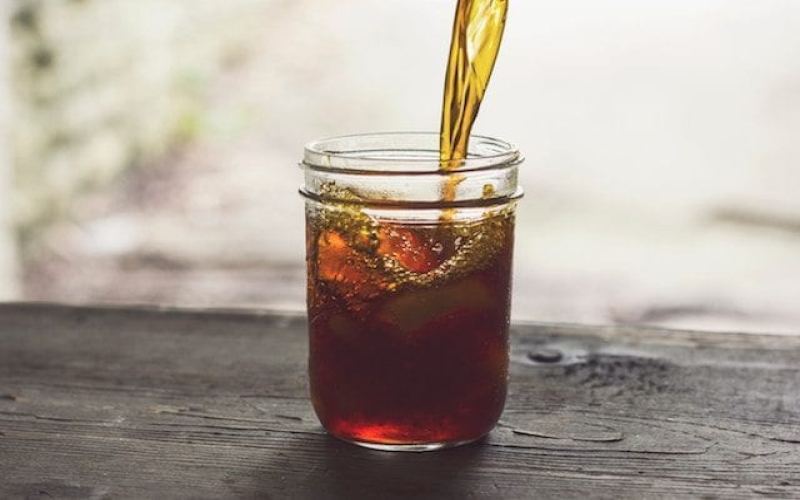
Exploring the Origins of Iced Tea: The Complete History and Brewing Tips from the 1904 World's Fair to American Sweet Tea
Iced tea is now one of the most popular beverages in the world, but its origins are far more convoluted than one might imagine. Americans drink over 2.2 billion gallons of tea each year, 80 percent of it iced. When exactly was this refreshing drink born? At the 1904 St. Louis World's Fair, how did tea merchant Richard Blechynden make iced Indian black tea an instant sensation? And long before that, sweet tea was already popular in the American South, with recipes dating back to an 1839 cookbook. This article traces the complete story of iced tea, from hot tea poured over ice to a fast-food staple, and includes key tips for making delicious iced tea at home, along with Front Street Coffee's selection recommendations, so you can easily recreate a professional-grade glass of iced tea. [more…]
Analysis of the Flavor Differences Between Ice Bock Latte and Regular Latte, and a Detailed Guide to Making Ice Bock Milk at Home
In recent years, ice bock milk coffee has set off a craze in the coffee world, with many cafés offering it as a signature product, and the refrigerated refined milk launched by Biro further fueled this trend. But even before that, some coffee shops were already using homemade ice bock milk to make drinks. So what exactly is ice bock? How does it differ in flavor from an ordinary latte? This article will start with the origin and principles of ice bock, teach you step by step how to make ice bock milk at home, and share Front Street Coffee's review of the flavor characteristics of ice bock milk, as well as its excellent performance when paired with espresso to make a Dirty. [more…]
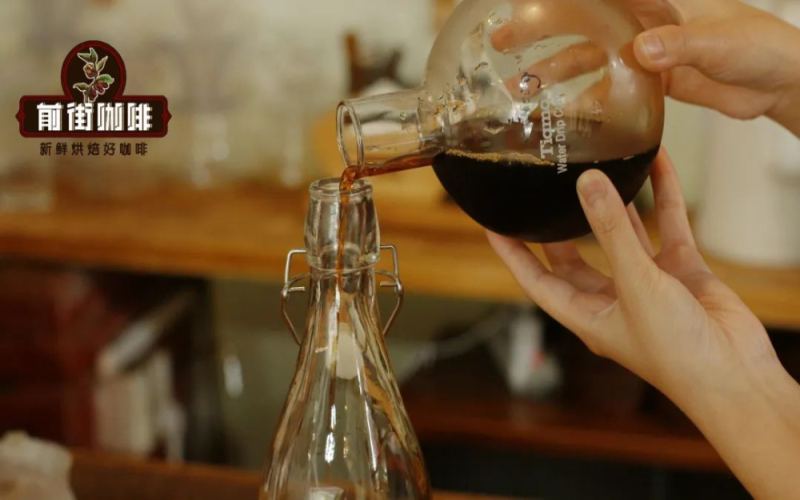
Types of Iced Coffee | How Are Cold Drip, Cold Brew, and Iced Americano Different? How to Make Cold Drip at Home? Which Single-Origin Beans Are Recommended for Cold Drip Coffee with Pronounced Fruity Notes and Strong Sweetness?
There are many kinds of iced coffee, including the iced Americano and iced latte that sell well in many coffee shops, as well as iced pour-over, cold brew, cold drip... Regarding cold drip coffee, aside from the fact that it is often compared for being "more expensive," its long production time and unique taste and mouthfeel also add a lot of mystery to this coffee. [more…]

An Analysis of the Differences Between Ice Drip and Cold Brew Coffee: From Historical Origins and Brewing Methods to Coffee-to-Water Ratios and Flavor Profiles
Ice drip coffee and cold brew coffee both belong to the category of cold-brewed coffee, yet they differ markedly in historical background, extraction equipment, operating procedures, and final flavor. Ice drip coffee originated from a local Indonesian brewing method and was improved by Kyoto's Hanabusa Coffee before spreading worldwide; it uses an ice drip tower for layer-by-layer filtration, taking 6 to 8 hours. Cold brew coffee, by contrast, is made by steeping in a container and letting it rest at low temperature for 12 to 24 hours. In this article, Front Street Coffee documents the ice drip process in detail, with a coffee-to-water ratio of 1:10, and shares several blending bean options, while also comparing the flavor differences between ice drip and cold brew made with Huakui beans. The article also discusses the controversy over the caffeine content of ice drip coffee, helping coffee enthusiasts gain a comprehensive understanding of the respective characteristics of these two cold-brewed coffees. [more…]
Cold Drip, Cold Brew, and Iced Brew: A Detailed Guide to the Process Differences of Low-Temperature Coffee Extraction and Five Handcrafted Bean Selections
In the iced coffee family, there are many names—cold brew, ice drip, iced brewed, cold steeped, Dutch coffee, Kyoto coffee—that often leave people bewildered. This article starts from the broad concept of cold brew coffee, sorts out the two major low-temperature extraction paths of immersion and drip filtration, traces the origin of Dutch coffee, the process by which Japan's Hanabusa Coffee invented the three-layer ice drip pot, and the emphasis on the brewing and aging step behind the term "iced brewed." The article also presents five Front Street single-origin beans suitable for making iced brewed coffee, covering Yirgacheffe, Kenya, Panama Butterfly, Costa Rica Mozart, and Strawberry Candy Geisha blend, explaining each one's origin, altitude, variety, and processing method, and noting the flavor performance of medium-light roasts in cold brew. [more…]

Why Drink Iced Water Before Coffee Tasting? The Origins of Espresso with Iced Water and an Analysis of Its Applicability to Pour-Over
When ordering at a café, you'll often see a glass of ice water served alongside an espresso, and many enthusiasts are in the habit of drinking ice water before their coffee. Can this glass of ice water actually help us perceive coffee flavors more clearly? Front Street Coffee will approach this from the perspective of oral sensory cleansing, explaining how ice water enhances the tasting experience by rinsing away residue, stimulating saliva production, and numbing the palate through low temperature, while also tracing the origins of this practice in espresso culture. It will also discuss whether pour-over coffee is suited to the same approach, and why room-temperature water is gentler on the stomach and intestines. [more…]

Ice Drip Coffee Powder-to-Water Ratio | How to Replicate Starbucks' Ice Drip? Affordable Single-Origin Coffee Bean Recommendations for Beginners to Make Cold Brew and Ice Drip
Choosing coffee beans—coffee beans actually determine the flavor of the coffee you make. Many people are used to coffee being bitter, especially those who love drinking coffee from a certain American coffee chain. If you are already used to drinking bitter coffee, I suggest you first try iced-drip Mandheling coffee; it lets you taste the difference between iced drip and what you usually drink. [more…]
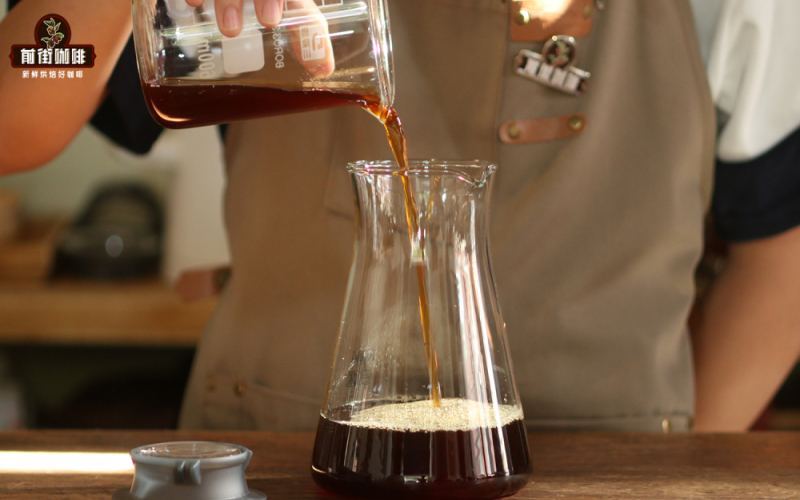
Cold Brew Coffee Bean Selection Guide: A Complete Analysis of Single-Origin Coffee Bean Flavor Pairings and Creative Recipes
In recent years, cold-drip and cold brew coffee made through low-temperature extraction have become increasingly favored by coffee enthusiasts, but which beans to choose, what equipment to use, how long it can be stored, and how to drink it creatively are all questions people care about. Based on Front Street Coffee's practical experience, this article provides a detailed overview of the extraction principles of iced coffee, equipment selection, single-origin bean recommendations suited to different flavors, the impact of chilled fermentation on taste, creative drinking methods such as adding dried flower petals, and safe refrigeration storage limits, helping you make a cup of outstanding iced coffee at home. [more…]

Behind the Refusal to Serve Iced Drinks Without Ice: Standardized Control at Coffee Chains and the Dilemma of Baristas
On a scorching summer day, iced drinks become the top sellers at beverage shops everywhere, yet the debate over "can you order it without ice" never dies down. A customer ordered an iced drink at Manner, noting that they only wanted two ice cubes, but after receiving it still found the temperature too low and asked the staff to remove the ice, only to be refused. The staff member helplessly explained that iced drinks must be made according to the standard ratio, and that removing ice without authorization would result in a pay deduction if caught on camera. Similar situations have occurred at Starbucks. Why are chain brands so "particular" about the amount of ice? And how should baristas choose between customer needs and company rules? This article will guide you through the industry logic behind the controversy over removing ice from iced drinks. [more…]
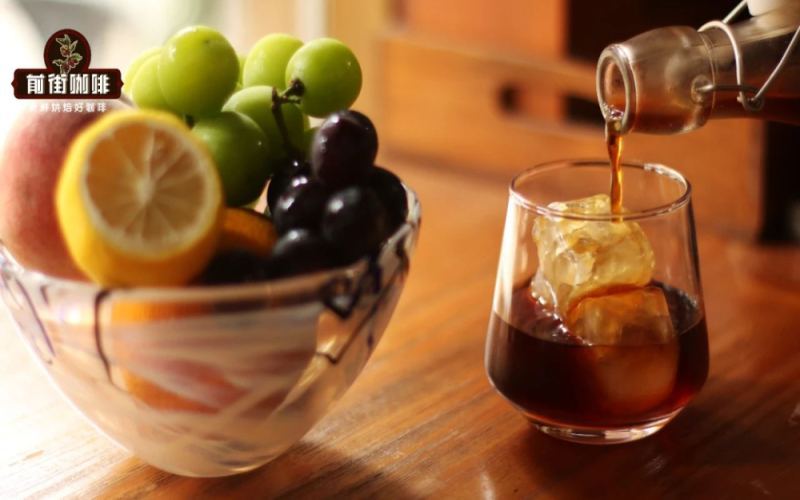
Ice Drip, Cold Brew, and Iced Pour-Over: A Full Analysis of the Flavor Differences and Coffee-to-Water Ratios of Three Low-Temperature Coffees
On a scorching summer day, a refreshing glass of iced coffee is undoubtedly a coffee lover's favorite. As representatives of low-temperature extraction, cold drip coffee and cold brew coffee have become stars among summer beverages, thanks to their crisp taste and rich flavor layers. At the same time, rapidly cooling hot pour-over coffee by adding ice is also a convenient option. Taking Front Street Coffee's practice as an example, this article will analyze in detail the historical origins and brewing process of cold drip coffee, compare the differences in extraction principles between cold brew and iced pour-over, and provide specific coffee-to-water ratios, grinding adjustment suggestions, and recommended bean types, helping you find the summer iced coffee solution that best suits your taste. [more…]

Introduction to Iced Coffee Types | What's the Difference in Flavor and Mouthfeel Between Ice-Drip Coffee and Cold Brew Coffee? Why Do Coffee Shops Require Reservations for Ice-Drip?
For more specialty coffee knowledge, please follow our WeChat official account: Front Street Coffee (FrontStreet Coffee). Recently, quite a few friends have come to the Front Street store asking if we have cold brew coffee. Among Front Street's iced coffees, we not only have cold drip, but also cold brew, iced Americano, and iced pour-over brews of various single-origin coffee beans. [more…]
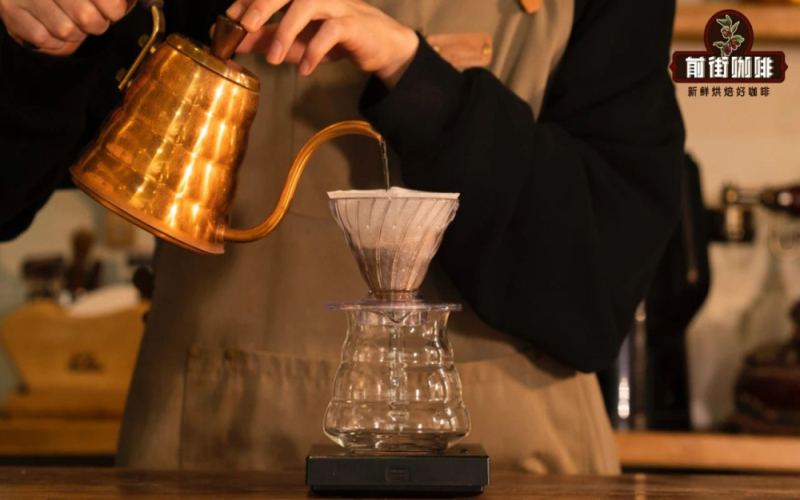
A Detailed Guide to the Flavor and Mouthfeel Characteristics of Cold Brew Coffee, with Recommended Coffee Beans for Making Cold Brew
Ice drip coffee uses ice water for low-temperature extraction over a long period, allowing the flavor and aroma to be sealed within the coffee liquid. Upon entering the mouth, it bursts with intense aroma as the temperature rises, offering a full-bodied taste with lower levels of bitterness and tannic acid. Compared with high-temperature pour-over extraction, ice drip coffee has less caffeine and richer layers, making it suitable for people sensitive to caffeine. Making ice drip coffee involves certain considerations in bean selection, usually favoring single-origin beans, though a blend of two beans can also be used to highlight a balance of aroma and flavor. This article will systematically introduce the flavor characteristics and key production points of ice drip coffee, from extraction principles, historical origins, and bean selection to Front Street Coffee's specific recipes and operating steps. [more…]